
When it comes to protecting your home, most people think about coverage options, deductibles, and pricing—but one of the most important factors often gets overlooked: the condition of your property itself.
Insurance companies don’t just insure homes—they insure risk. And the condition of your home plays a major role in how that risk is evaluated.
Let’s break down why maintaining your property is essential for insurability—and what issues could put your coverage at risk.
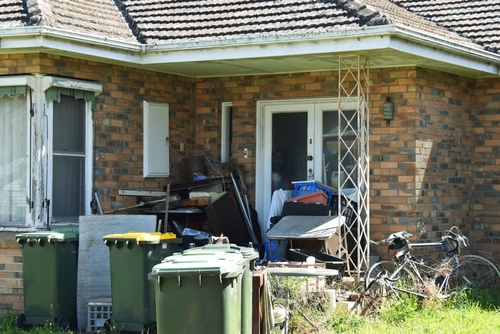
1. Debris, Clutter, and Piled-Up Belongings
Excessive clutter, debris, or stored items around your home can raise red flags for insurers.
Why it matters:
- Increases fire risk
- Attracts pests and rodents
- Can block emergency access
- Signals potential neglect
Insurance carriers may view this as a liability, which could result in higher premiums—or even denial of coverage.
2. Trash and Unmanaged Waste
Visible trash buildup or improper waste management isn’t just an eyesore—it’s a risk factor.
Why it matters:
- Attracts vermin and insects
- Creates health hazards
- Can lead to property damage over time
A well-maintained exterior shows insurers that the home is being properly cared for.
3. Damaged or Fallen Perimeter Fences
Fencing might seem like a minor detail, but it plays a bigger role than you might think.
Why it matters:
- Helps define property boundaries
- Provides security and liability protection
- Prevents unwanted access (people or animals)
A broken or collapsed fence can increase liability exposure, which insurers take seriously.
4. Overhanging Trees and Vegetation
Trees hanging over your roofline may look harmless—but they can be a major concern.
Why it matters:
- Risk of falling limbs damaging the roof
- Increased chance of storm-related claims
- Can contribute to roof wear and moisture issues
Regular trimming helps prevent avoidable claims—and keeps your home insurable.
5. Peeling Paint and Exterior Deterioration
Peeling paint isn’t just cosmetic—it can be a sign of deeper issues.
Why it matters:
- May indicate moisture intrusion or wood rot
- Leads to long-term structural damage
- Signals deferred maintenance
Insurance companies often interpret visible deterioration as a sign the home may not be properly maintained.
6. Exposed Electrical Components
This is one of the most serious concerns for insurers.
Why it matters:
- Major fire hazard
- Increased risk of injury or liability
- Often considered an immediate underwriting issue
Exposed wiring or electrical panels can result in a policy being declined or canceled until repairs are made.
7. General Maintenance and Risk Perception
At its core, insurance underwriting is about assessing how likely a loss is to occur. Homes that show signs of neglect—whether minor or severe—are statistically more likely to experience claims.
When insurers see:
- Poor upkeep
- Safety hazards
- Visible damage
…it creates uncertainty—and uncertainty increases risk.
Final Thoughts: Protecting Your Home and Your Coverage
Keeping your property in good condition isn’t just about curb appeal—it’s about protecting your ability to obtain and maintain insurance coverage.
The good news? Most of these issues are preventable with regular maintenance and attention.
A well-maintained home:
- Qualifies for better coverage options
- Helps keep premiums more competitive
- Reduces the likelihood of claims
If you’re unsure whether your property could raise concerns during an insurance inspection, it’s always a good idea to address potential issues proactively.